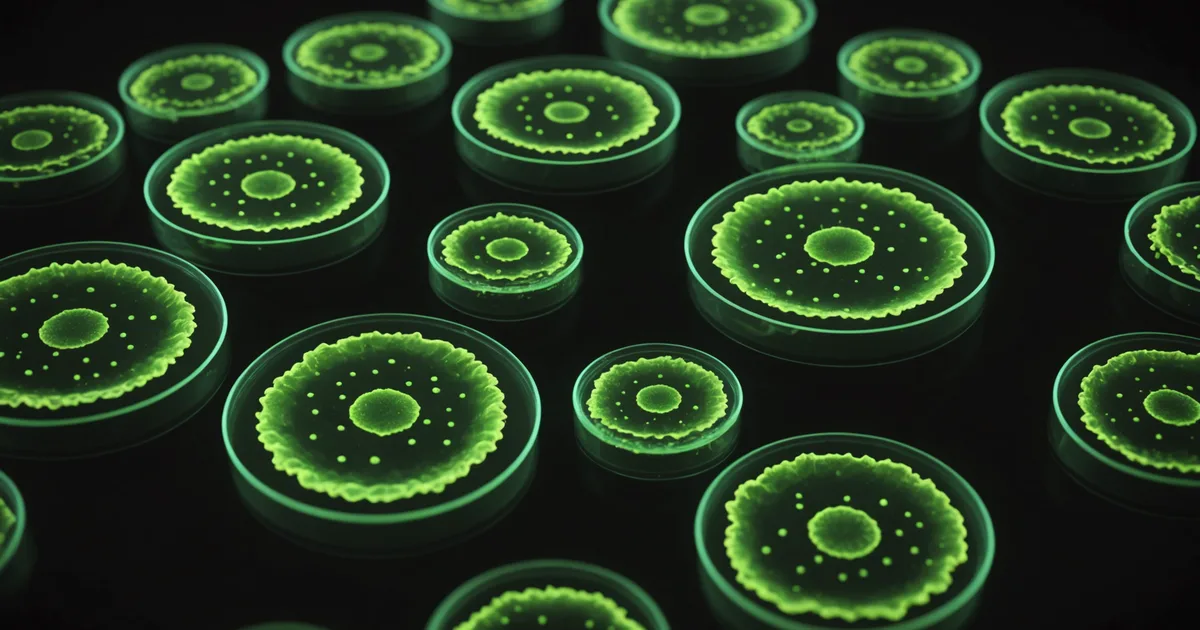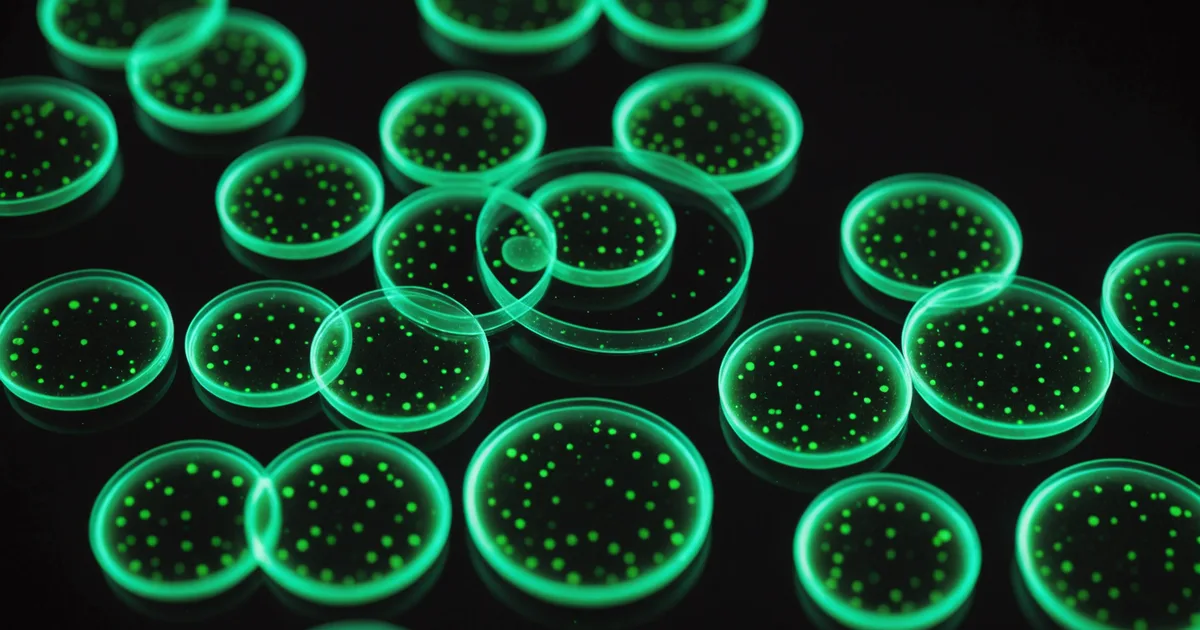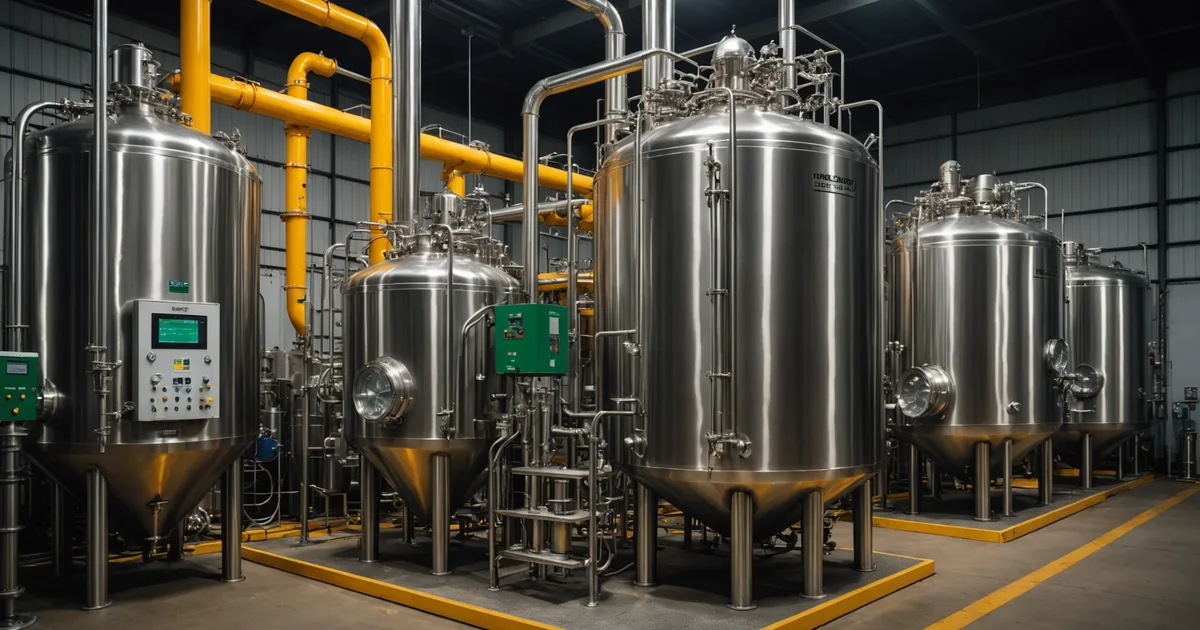
A team starting a new industrial biomanufacturing project opens its strain database and finds years of frozen candidates, each at a different development stage. The collection reflects months or years of bench work, phenotypic testing, and careful cryopreservation. Yet the database may now be harder to interpret than it was five years ago. In many teams, this accumulated resource has become operational drag, slowing new work more often than it speeds it up.
This is not a case for abandoning strain libraries. It is about the point where an asset becomes a liability, often without the team noticing. The signals are concrete and familiar.
Why Libraries Grow Faster Than They Are Curated
The growth pattern is simple. A team running 3 to 4 iteration cycles each month may add 50 to 300 characterized strains per cycle, depending on screening throughput. Over 6 months, one productive project adds 900 to 1,800 strains. Across several projects in 3 years, even a modest bioprocessing group can reach 15,000 to 30,000 entries before asking whether every strain should remain.
Curation falls behind for a structural reason. Keeping a strain offers a vague future benefit, while reviewing it requires immediate work such as sequencing, re-characterization, and documentation. Under pressure, adding a strain takes 20 minutes; deciding whether to retire one takes a day. The collection therefore keeps expanding.
Three Problems Created by Accumulation
Failure mode 1: Search time rises with library size
At the start of a project, it is sensible to ask whether the library already contains a suitable starting strain. With 500 well-documented entries, the answer is manageable. With 20,000 strains, inconsistent records, different characterization methods, and metadata spread across three internal systems, the same search can take days and still yield an uncertain answer.
In practice, teams with large collections often stop searching them. The likely benefit no longer justifies the time, so engineers begin again from a parent strain. The library intended to shorten development has become too costly to consult.
Failure mode 2: Drift undermines reliability without warning
Cryopreservation is not lossless. Strains held at -80C beyond 18 to 24 months may acquire mutations during the freeze-thaw cycles used for revival, while strains kept at lower passage numbers may have undergone fewer rounds of selection. Database records describe the strain at storage, not necessarily after revival three years later. For strains where a few biosynthetic-gene mutations can materially change titer, that gap matters.
If a supposedly characterized strain fails mid-project, the team pays for resequencing, re-characterization, and sometimes the loss of work built on an inaccurate record. As the collection grows, so does the chance that an entry has experienced undocumented drift.
Failure mode 3: The collection can distort technical choices
The deepest problem may be cognitive rather than operational. A large historical collection anchors starting strains, optimization targets, and process conditions around what is already available. Engineers look for what they have instead of defining what they need. Projects inherit convenient strain backgrounds rather than optimal ones, because choosing a better starting point means bypassing the library and admitting that its practical value falls short of the investment it represents.
We are not arguing that libraries lack value. The useful portion is the set of well-characterized, recently validated entries, not the total count. A 300-strain collection with current data and known genetic stability can serve a team better than 15,000 strains when 80% have documentation gaps, unknown drift, or characterization conditions unlike current production targets.
A Generative Alternative to Library Dependence
Libraries became central partly because creating and adequately characterizing a new candidate was expensive. When that work took 3 to 4 weeks, a library strain already 70% suitable, needing only fine-tuning, was economically preferable to starting over.
Generative strain design changes the choice. Using current genomic data and pathway analysis, the platform can suggest a starting point beyond what is stored in the freezer. For an itaconic acid project in Aspergillus, the need is not merely a strain with a broadly suitable phenotype. The platform should suggest modifications matched to the present production target, fermentation conditions, and the limiting steps identified by the GEM.
This does not reduce the value of genetically stable strains validated at pilot scale. They carry substantial experimental evidence, and that evidence matters. The distinction is between consulting a well-documented entry for relevant prior information and treating the library as a replacement for reasoning about the right starting point.
What Strain Library Curation Should Look Like
Common guidance calls for governance: scheduled reviews, resequencing before a library strain enters a new project, and retirement rules for strains untouched for more than 24 months. The guidance is sound, but the same team must usually carry out that work while running active projects, so consistency breaks down.
A more durable method is to limit the active collection deliberately. When a project ends, ask which strains contain genuinely new knowledge worth preserving, not whether every strain should be archived. Usually that means 5 to 10 strains, rather than every screened candidate. Record the rest in project files and discard them instead of freezing them permanently. The library remains, but stays small enough to search, verify, and use.
A Practical Threshold
Our observations with industrial fermentation teams suggest that liability symptoms often appear above 5,000 to 8,000 entries under typical documentation practices. Below that range, search is manageable and drift can usually be handled case by case. Above it, the problems described here reinforce one another. This is not an exact cutoff, and rigorous curation can extend the workable range. For teams that have accumulated strains without culling, it is a useful point for review.
When a collection exceeds its useful range, adding documentation infrastructure is not the main answer. Run a deliberate reduction: find strains with current value, validate them, and retire the rest. The one-time effort can quickly repay itself through less search time and fewer reliability surprises.